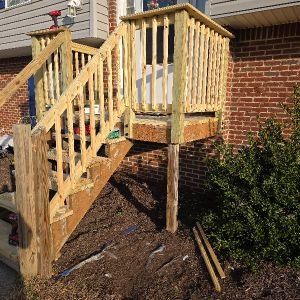
Get Handicap Ramp Repair
Handicap ramp repair services help property owners fix and improve accessibility features, addressing issues like structural damage, uneven surfaces, and safety concerns with experienced local contractors.
If you’re considering handicap ramp repair, you’re in the right place to explore your options. Property owners in the area often look into ramp repairs to improve accessibility, enhance safety, or address wear and tear over time. Whether updating an existing ramp or planning a new installation, understanding the local contractor landscape can help ensure the work meets your needs and standards.
Continuing to evaluate local service providers can provide valuable insights into the range of solutions available for handicap ramp repairs. Comparing different contractors allows property owners to find experienced local professionals who can deliver reliable results tailored to specific accessibility requirements. Keep reading to learn more about how local experts can assist with your project.
- Handicap Ramp Repair - when a damaged or deteriorating ramp needs restoration to ensure accessibility.
- Ramp Replacement - if an existing ramp is beyond repair or no longer meets safety standards.
- Surface Resurfacing - to improve slip resistance and smoothness of an aging or uneven ramp surface.
- Structural Reinforcement - when a ramp requires additional support to handle increased weight or wear.
- Custom Ramp Modifications - for tailored solutions to accommodate specific mobility needs or space constraints.
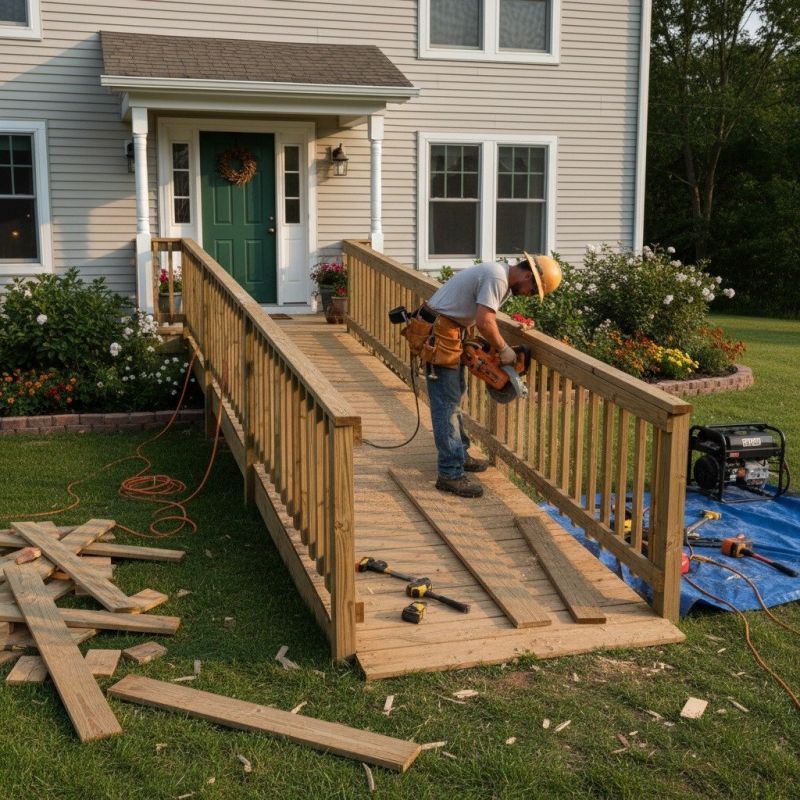
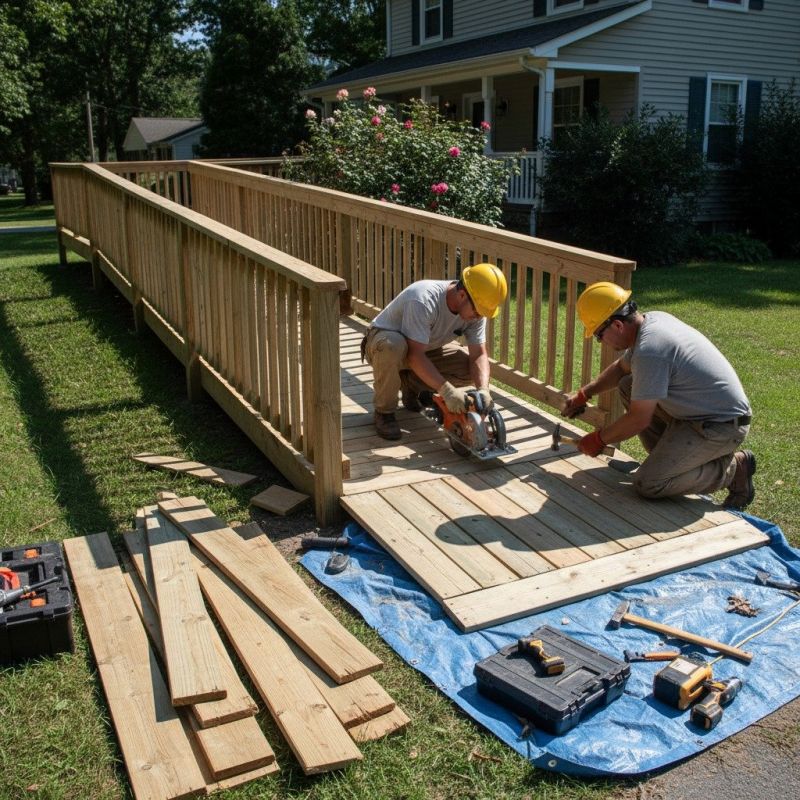
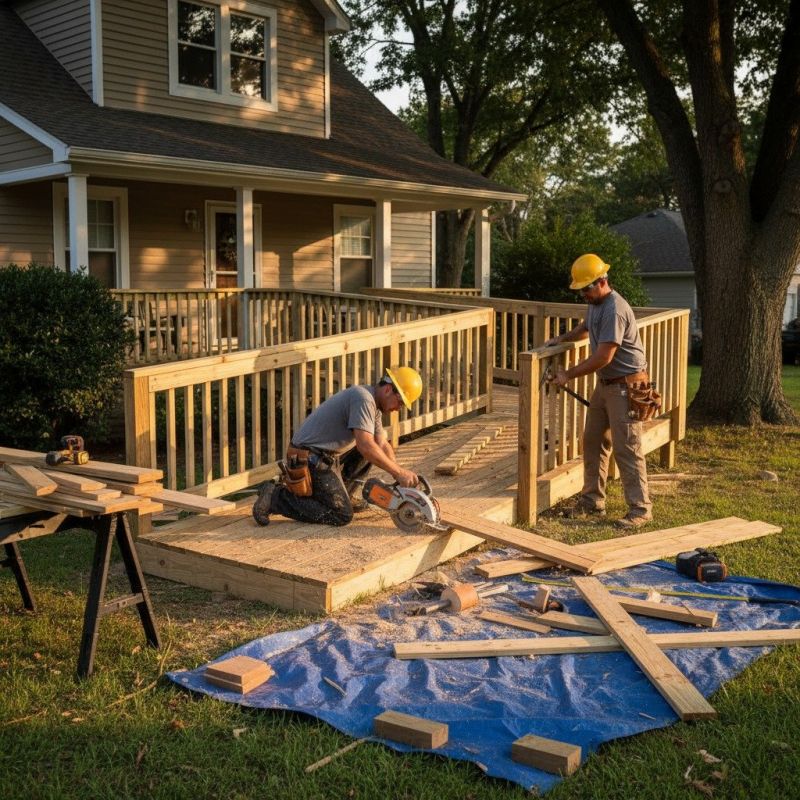
Handicap ramp repair services involve fixing or restoring existing wheelchair ramps to ensure they are safe, stable, and functional. Over time, ramps can develop issues such as loose handrails, damaged decking, or uneven surfaces that may hinder safe access. Skilled service providers evaluate the condition of the ramp, identify areas needing repair, and perform necessary work to improve stability and usability. This process helps maintain compliance with accessibility standards and ensures that individuals with mobility challenges can enter and exit a property comfortably.
Many common problems that lead to the need for ramp repairs include structural deterioration caused by weather exposure, wear and tear from frequent use, or accidental damage. Cracks, warping, or rotting materials can compromise the ramp’s integrity, making it unsafe for daily use. Service providers can address these issues by replacing damaged sections, reinforcing supports, or upgrading hardware such as handrails and non-slip surfaces. Repairing these problems helps prevent accidents and extends the lifespan of the ramp, providing a reliable access solution for years to come.
Handicap ramp repair services are applicable to a variety of property types, including private homes, apartment complexes, assisted living facilities, and commercial buildings. Residential properties often require repairs to accommodate aging family members or individuals with temporary mobility issues. Commercial properties, on the other hand, may need repairs to meet accessibility requirements for customers and employees. No matter the property type, local contractors can assess the specific needs of each site and recommend appropriate repairs to ensure safe and compliant access for everyone.
Homeowners and property managers who notice issues like loose or unstable ramps, damaged decking, or difficulty in navigating the existing structure should consider professional repair services. Addressing these problems promptly can help prevent accidents and ensure ongoing accessibility. By working with experienced local service providers, property owners can find solutions tailored to their specific needs, whether it involves minor repairs or more extensive structural work. Contacting a local contractor can help determine the best course of action to restore safe, reliable access for individuals with mobility challenges.
The overview below groups typical Handicap Ramp Repair projects into broad ranges so you can see how smaller, mid-sized, and larger jobs often compare in your area.
In many markets, a large share of routine jobs stays in the lower and middle ranges, while only a smaller percentage of projects moves into the highest bands when the work is more complex or site conditions are harder than average.
Smaller Repairs - Typical costs for minor repairs or adjustments to handicap ramps generally range from $250 to $600. Many routine jobs fall within this middle range, making it a common expense for straightforward fixes.
Partial Replacement - Replacing a section of a handicap ramp or upgrading specific components usually costs between $600 and $1,500. Larger, more involved projects tend to push into the higher part of this range but remain below $2,500 in most cases.
Full Ramp Replacement - Complete replacement of a handicap ramp often costs between $2,500 and $5,000. Many local contractors handle these projects within this range, though complex or custom designs can increase the price.
Complex or Custom Projects - Larger, more complex handicap ramp installations or custom designs can exceed $5,000, with some high-end projects reaching $10,000 or more. Such projects are less common but represent the upper end of typical costs for specialized work.
Actual totals will depend on details like access to the work area, the scope of the project, and the materials selected, so use these as general starting points rather than exact figures.
Wheelchair Ramp Installation - local contractors skilled in building and installing accessible ramps often have experience with similar structural modifications for mobility needs.
Elevator and Lift Repair - technicians who service residential or commercial lifts share skills in mechanical systems, planning, and safety considerations relevant to ramp repairs.
Stairlift Installation and Repair - professionals experienced in stairlift systems understand the planning and safety features involved in creating accessible pathways.
Home Accessibility Remodeling - contractors specializing in home modifications for accessibility often handle projects involving ramps, door widening, and threshold adjustments.
Concrete Repair and Leveling - experts in concrete work can address uneven surfaces and foundation issues that impact ramp stability and safety.
Structural Reinforcement Services - local pros skilled in reinforcing building structures can assist with ensuring ramps are secure and compliant with safety standards.
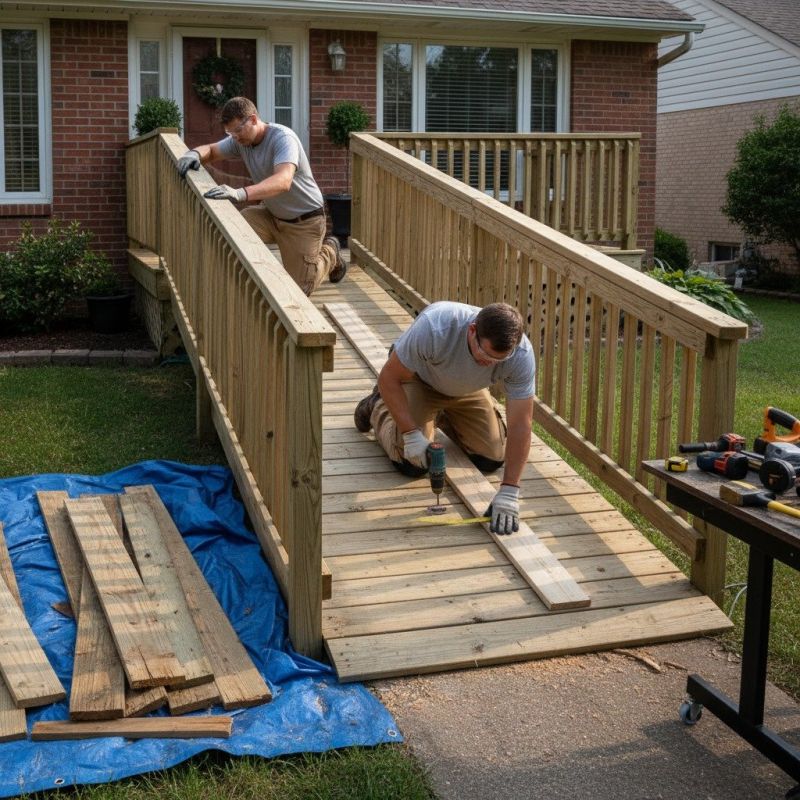
Property owners use Handicap Ramp Repair services for practical projects around their homes and businesses. This guide focuses on everyday jobs and straightforward project options.
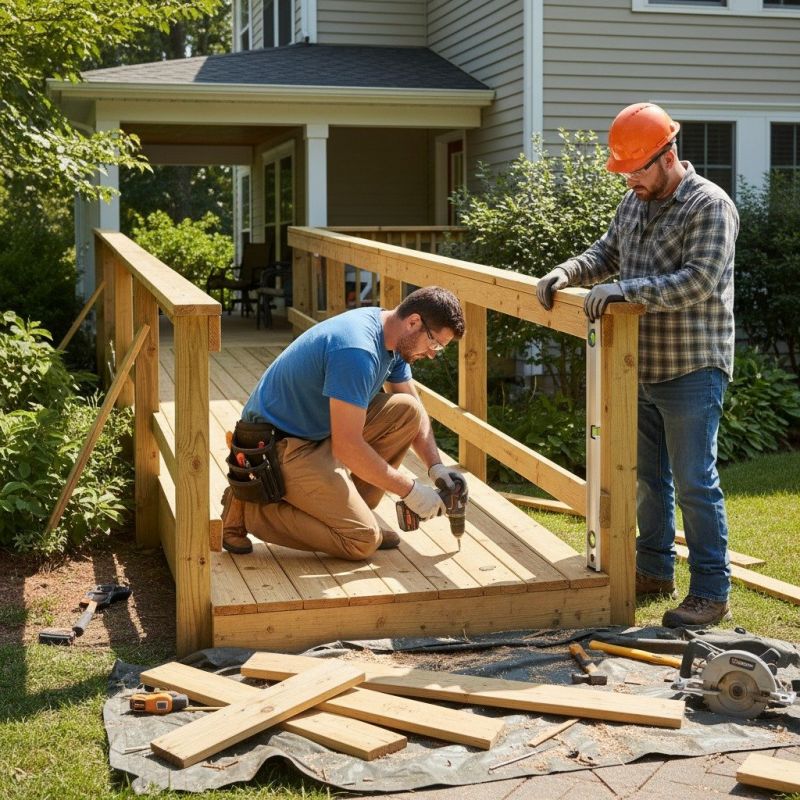
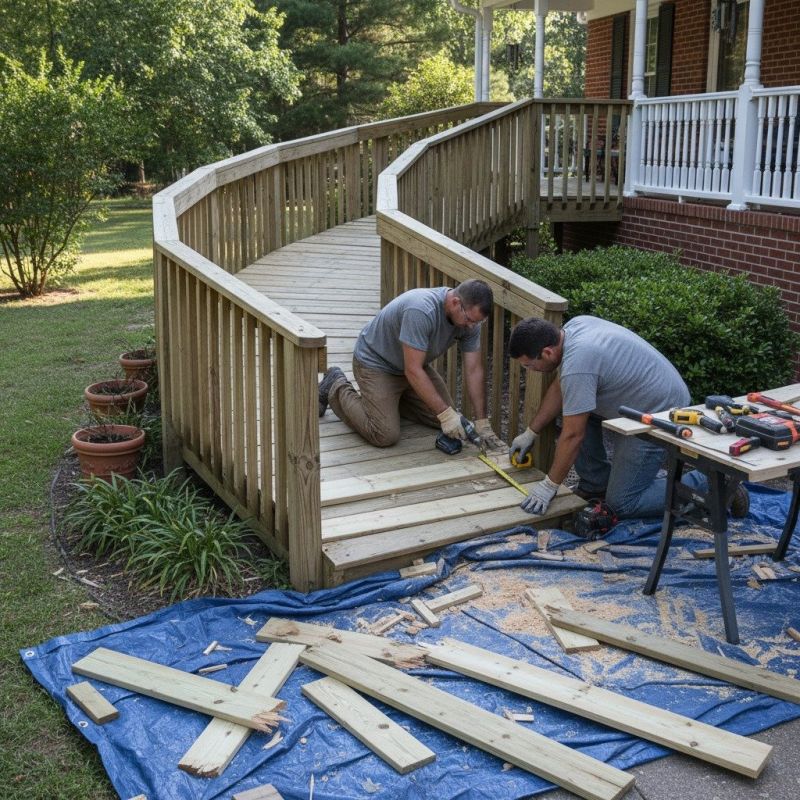
Handicap ramp repair services are often needed when property owners notice wear and tear, damage, or structural issues that affect accessibility. Whether a ramp has become unstable due to weather conditions or has experienced damage over time, local contractors can provide the necessary repairs to restore safe and reliable access. These services are also commonly sought after when modifications are required to meet changing mobility needs or to comply with accessibility standards.
Property owners in the area may look for handicap ramp repair work after incidents like accidents, heavy use, or aging materials that cause deterioration. Additionally, renovations or upgrades to existing ramps to improve safety and functionality can prompt the need for professional repairs. Local service providers are available to assess the condition of ramps and perform the necessary work to ensure continued safe entry and exit for all users.
What types of handicap ramp repairs do local contractors handle? Local service providers can address a variety of issues including damaged surfaces, loose handrails, structural weaknesses, and uneven sections to ensure safety and accessibility.
How can I tell if my handicap ramp needs repairs? Signs such as cracks, wobbling, corrosion, or difficulty in use may indicate that repairs are necessary; contacting local contractors can help assess the condition accurately.
Are there different repair options for various ramp materials? Yes, local pros are experienced in repairing different materials like wood, metal, or composite ramps, providing solutions tailored to each type.
What maintenance is recommended to prevent future damage to handicap ramps? Regular inspections, cleaning, and prompt repairs of minor issues can help maintain the ramp’s condition and safety over time.
How do local service providers ensure the safety of handicap ramp repairs? Professionals follow industry standards and best practices to perform repairs that help keep ramps stable, secure, and compliant with accessibility guidelines.
Wheelchair Ramp Repairs - Ensuring existing ramps are stable and safe allows for easier access for mobility devices around the home or business.
Threshold Ramp Installation - Creating smooth transitions at doorways helps improve accessibility for wheelchairs, walkers, or strollers.
Ramp Material Upgrades - Replacing worn or damaged ramp surfaces with durable materials enhances safety and longevity for daily use.
Custom Ramp Modifications - Adapting ramps to fit unique property layouts supports improved mobility in various residential or commercial settings.
If you are thinking about Handicap Ramp Repair for a property, this guide is meant to help you understand the work, the typical project types, and how different options might fit your plans.
When you are ready, you can use the quote form on this page to share a few details about your project. From there, local pros can review the basics and respond with options that match what you have in mind.